Many homes across Delaware built before the 1980s contain insulation materials that may harbor asbestos, a known carcinogen widely used in construction for decades. The challenge is that most homeowners cannot confirm whether insulation is safe or dangerous just by looking at it.
That uncertainty can become dangerous quickly. Disturbing asbestos-containing insulation during attic access, renovations, or DIY projects can release microscopic fibers into the air. According to the Agency for Toxic Substances and Disease Registry, inhaling these fibers can lead to serious diseases such as mesothelioma, lung cancer, and asbestosis, often appearing 20 to 40 years after exposure.
If your home was built before the 1980s, it may contain asbestos in attic insulation, pipe wrapping, or wall cavities. The EPA advises that you cannot confirm asbestos through visual inspection alone; professional testing is required. Delaware’s DNREC recommends that homeowners have suspect materials inspected by a Delaware-licensed asbestos inspector before any renovation or demolition. If asbestos is confirmed and in good condition, it can be left undisturbed. If it must be removed, Delaware homeowners in single-family homes may perform the removal themselves, but should strongly consider hiring a licensed abatement contractor for safety reasons.
This guide walks you through how to identify the most common types of asbestos insulation, what warning signs to look for, and exactly what steps Delaware homeowners should take next.
Not sure what type of insulation is best for your home? After a professional asbestos inspection clears your home, a free insulation evaluation can help you determine the best replacement options.
Why Asbestos in Insulation Is a Health Hazard
Asbestos was widely used in building materials because of its durability, fire resistance, and affordability. The EPA notes that it was included in thousands of products used in homes throughout the United States until the late 20th century, including insulation.
The problem is not always the presence of asbestos—it’s exposure. When asbestos-containing materials are intact and undisturbed, they typically do not pose an immediate health risk. However, when insulation is damaged, deteriorates over time, or disturbed during renovations, fibers can become airborne and be inhaled.
The ATSDR confirms that exposure to asbestos fibers can cause:
- Mesothelioma
- Lung cancer
- Asbestosis
- Pleural disease
These conditions often take decades to develop, making early exposure especially dangerous.
In Delaware, asbestos-containing materials were commonly used in homes and buildings through the 1980s. The state regulates asbestos under DNREC’s Division of Air Quality, and any material containing more than 1% asbestos is classified as asbestos-containing material. Common examples may include pipe insulation, sprayed-on fireproofing, floor tiles, and ceiling tiles.

Common Types of Asbestos Insulation in Delaware Homes
Understanding what asbestos insulation may look like can help you identify potential risks, but it’s critical to remember: you cannot confirm asbestos by appearance alone. Testing is always required.
Vermiculite / Zonolite Insulation
One of the most common concerns in older homes is asbestos in vermiculite insulation.
- Appears as small, pebble-like granules
- Colors range from gray-brown to silver-gold
- Often contains shiny, mica-like flakes
- Has a lightweight, accordion-like texture
Much of the vermiculite sold in the U.S. came from a mine in Libby, Montana, which was contaminated with asbestos. This material was frequently sold under the brand name Zonolite. The EPA recommends that homeowners assume vermiculite insulation contains asbestos and treat it accordingly.
Loose-Fill Insulation
Loose fill asbestos insulation can sometimes resemble modern materials.
- Typically grayish and lightweight
- Found in attics or wall cavities
- Poured or blown into place
Important: Not all loose-fill insulation contains asbestos. Modern fiberglass and cellulose are asbestos-free. However, age and appearance alone are not enough to determine safety.
Asbestos Pipe Insulation
Asbestos pipe insulation is commonly found in basements, crawl spaces, and utility areas.
- White or gray wrapping around pipes and ducts
- May look like corrugated paper or plaster
- Often becomes brittle or crumbly over time
This type of insulation is especially hazardous when deteriorating, as it can easily release fibers into the air.
Block and Board Insulation
Rigid insulation boards were often used in older heating systems and structures.
- Hard white or gray panels
- Found around boilers, ducts, or foundations
- Common in pre-1970s construction
These materials were frequently manufactured with asbestos and should be treated as suspect in older homes.
However, even if the insulation matches these descriptions, you cannot confirm the presence of asbestos without professional testing.
What to Do If You Suspect Asbestos in Your Delaware Home
If you suspect asbestos in older Delaware homes, the next steps matter. Acting incorrectly can increase risk significantly.
Warning Signs for Homeowners
You should suspect asbestos if:
- Your home was built or renovated before the 1980s
- Insulation appears pebble-like, crumbly pipe wrapping, or rigid block insulation
- Materials are damaged or deteriorating
- You are planning renovations that could disturb the insulation
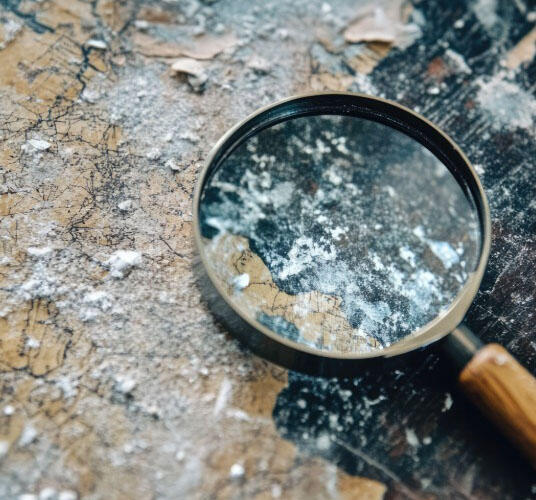
The EPA advises homeowners to have suspect materials inspected by a trained and accredited asbestos professional, especially before remodeling.
Delaware-Specific Steps
If you suspect asbestos, follow this process:
- Do not disturb the material
Avoid touching, moving, or removing insulation. - Schedule professional testing
Delaware homeowners should consult a licensed asbestos inspector to determine whether asbestos is present. - Follow DNREC guidance
DNREC manages asbestos regulations in Delaware under 7 DE Admin. Code 1121. - Determine next steps based on condition
- If asbestos is in good condition and undisturbed, it may be left in place.
- If removal is necessary, proceed carefully.
- Understand removal rules
While owner-occupied homeowners may legally perform asbestos removal in Delaware, this does not mean it is safe to do so. DNREC strongly recommends hiring a licensed asbestos abatement contractor for proper containment and disposal. - Arrange proper disposal
Contact the Delaware Solid Waste Authority (DSWA) at 1-800-404-7080 at least 24 hours in advance to coordinate disposal at an approved transfer station or landfill.
What NOT to Do
- Do not attempt DIY removal without testing
- Do not disturb vermiculite insulation
- Do not store items in contaminated attics
- Do not allow children or pets in affected areas
The EPA asbestos guidelines homeowners should follow specifically warn homeowners not to attempt to remove vermiculite insulation themselves; instead, hire a professional asbestos contractor for any renovation that would disturb the material.
Frequently Asked Questions
Conclusion
Asbestos insulation identification Delaware homeowners face is not always straightforward—but the risks are serious enough that caution is essential.
If your home was built before the 1980s, assume insulation may contain asbestos until proven otherwise. Never disturb suspect materials, and always rely on professional testing before taking action.
If asbestos is confirmed, follow DNREC guidelines or hire a licensed abatement contractor to ensure safe removal and disposal.
Once asbestos insulation has been professionally removed, Delmarva Insulation is here to install safe insulation replacement Delaware homeowners can trust that restores your home’s energy efficiency and comfort. As Delaware’s largest independent insulation contractor since 2002, our experienced team installs blown-in fiberglass, spray foam, and other asbestos-free insulation products across all of Delaware. Contact us today at 302-854-0344 or visit delmarvainsulation.com/contact for a free insulation estimate.
References:
Agency for Toxic Substances and Disease Registry. “Health Effects of Asbestos.” ATSDR, U.S. Department of Health and Human Services, www.atsdr.cdc.gov/asbestos/health-effects/index.html.
Delaware Department of Natural Resources and Environmental Control. “Asbestos.” Division of Air Quality, dnrec.delaware.gov/air/asbestos/.
Delaware Department of Natural Resources and Environmental Control. “Information for Homeowners.” Division of Air Quality, dnrec.delaware.gov/air/asbestos/information-for-homeowners/.
Delaware Department of Natural Resources and Environmental Control. “Building Renovation and Demolition.” Division of Air Quality, dnrec.delaware.gov/air/asbestos/renovation-demolition/.
Delaware Office of Management and Budget. “Asbestos Abatement.” Division of Facilities Management, dfm.delaware.gov/envsrv/asbestos/index.shtml.
U.S. Environmental Protection Agency. “Asbestos.” EPA, www.epa.gov/asbestos.
U.S. Environmental Protection Agency. “Protect Your Family from Asbestos-Contaminated Vermiculite Insulation.” EPA, www.epa.gov/asbestos/protect-your-family-asbestos-contaminated-vermiculite-insulation.
U.S. Environmental Protection Agency. “Protect Your Family from Exposures to Asbestos.” EPA, www.epa.gov/asbestos/protect-your-family-exposures-asbestos.
University of Delaware. “Asbestos Management.” Office of General Counsel, sites.udel.edu/generalcounsel/policies/asbestos-management/.