Spring in Delaware means rain, snowmelt, and rising humidity. And for many homes, the crawl space is the first place to suffer.
Over the winter, small cracks expand, insulation shifts, and moisture builds up unnoticed. When spring arrives, that trapped moisture meets warmer air, creating the perfect conditions for mold, wood rot, pest intrusion, and rising energy bills. According to the U.S. Department of Energy, properly insulating and sealing crawl spaces can significantly reduce heating and cooling costs while improving comfort, indoor air quality, and long-term structural durability.
Spring is the ideal time to inspect your crawl space for insulation damage, moisture intrusion, cracks, and drainage issues. Addressing these problems early helps prevent mold growth, structural damage, and year-round energy waste.
Not sure where to start? A professional crawl space inspection can identify hidden issues before they become expensive repairs.
Delaware sits in IECC Climate Zone 4A, which means hot, humid summers and cold winters. That combination makes crawl space moisture control especially critical. What happens under your home directly affects comfort, air quality, and energy performance above it.
Why Spring Is the Best Time to Check Your Crawl Space
Seasonal Moisture Risks
Spring showers and snowmelt create the highest risk for water intrusion into crawl spaces. Saturated soil around your foundation increases hydrostatic pressure and raises humidity levels beneath your home.
The EPA emphasizes that controlling moisture is essential for energy efficiency, comfort, and mold prevention. In Delaware’s humid Climate Zone 4A, warm, moist outdoor air can condense on cooler crawl space surfaces, such as floor joists, ductwork, and subflooring. When relative humidity climbs above 60 percent, mold growth becomes much more likely.
Left unchecked, that moisture can compromise insulation, corrode HVAC components, and weaken wooden framing.
What Winter Does to Your Crawl Space
Winter may feel dry, but it quietly sets the stage for spring problems.
Freeze-thaw cycles can widen foundation cracks, creating new pathways for air and water intrusion. Fiberglass batts installed between floor joists may sag, shift, or absorb moisture. Once insulation gets wet, it loses effectiveness and can even become a breeding ground for mold.
Pests often seek shelter in crawl spaces during colder months. By spring, you may find droppings, nesting materials, or chewed insulation.
ENERGY STAR recommends inspecting crawl spaces for air leaks, moisture damage, and insulation condition as part of overall home performance improvements. Spring provides the perfect opportunity to catch problems early.
Crawl Space Insulation — Your First Line of Defense
Why Crawl Space Insulation Matters
Proper crawl space insulation does more than regulate temperature.
An insulated and air-sealed crawl space:
- Keeps floors warmer in winter
- Reduces heat gain in summer
- Reduces condensation on cold surfaces
- Protects plumbing
- Lowers strain on your HVAC system
- Improves overall energy efficiency
In Delaware’s climate, unmanaged moisture combined with temperature swings can quickly undermine structural integrity. Insulation plays a key role in controlling both heat flow and condensation risk.
Conditioned vs. Vented Crawl Spaces
For decades, vented crawl spaces were considered standard. But building science has evolved.
The U.S. DOE’s Building America program has found that unvented, conditioned crawl spaces with insulation installed along perimeter walls perform better in terms of comfort, durability, energy consumption, and indoor air quality than passively vented designs.
A conditioned crawl space becomes part of your home’s building envelope. That means:
- Foundation walls are insulated
- Exterior vents are sealed
- A vapor barrier covers the ground
- Air sealing reduces uncontrolled airflow
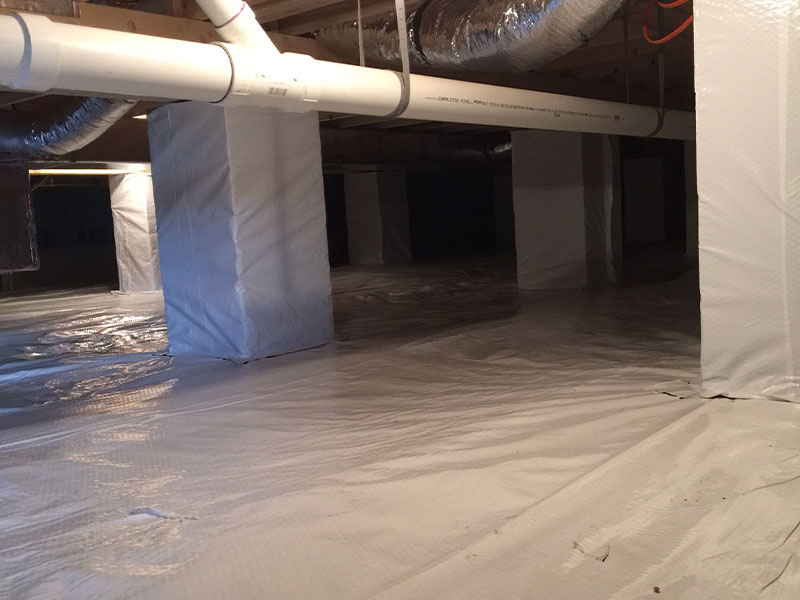
Instead of allowing humid outdoor air to circulate freely, a conditioned crawl space creates a controlled environment that protects your home from moisture damage and energy loss.
Spray Foam: The All-in-One Solution
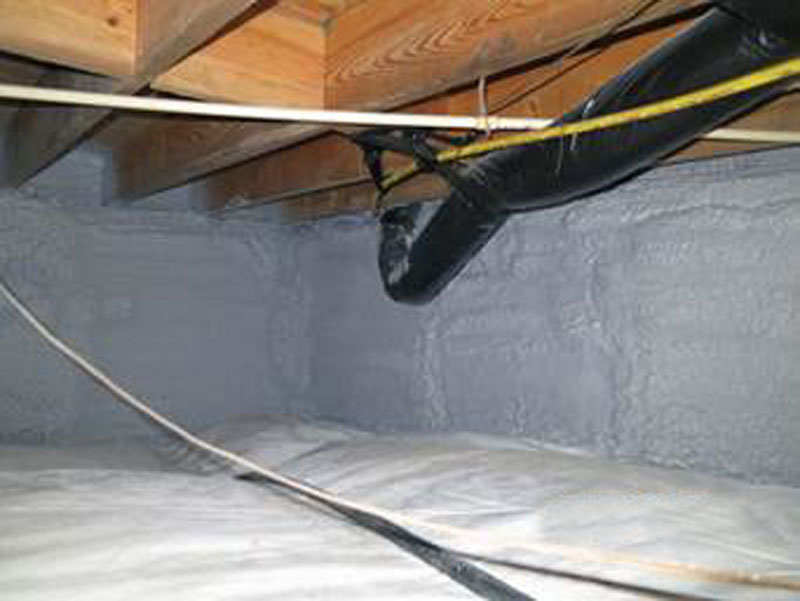
Spray foam insulation offers both insulation and air sealing in a single application.
Closed-cell spray foam is especially effective in crawl spaces because it resists moisture, provides a high R-value per inch, and adheres tightly around pipes, wires, and irregular surfaces. By sealing gaps and insulating simultaneously, spray foam helps eliminate the air movement that drives moisture into building cavities.
Your Spring Crawl Space Checklist
If you’re evaluating your crawl space this spring, focus on these key areas.
1. Inspect Insulation Condition
Look for sagging, wet, or displaced fiberglass batts. These are signs that moisture has compromised the insulation.
Check whether insulation along walls or between joists remains securely in place. If it has fallen or compressed, its thermal performance is reduced.
Michigan State University Extension notes that basements and crawl spaces are particularly prone to humidity and mold issues, making moisture control essential when evaluating insulation conditions.
2. Check for Cracks and Air Leaks
Examine foundation walls for new or widened cracks caused by winter freeze-thaw cycles.
Inspect areas where plumbing, electrical, or HVAC lines penetrate the crawl space. Even small gaps allow significant air and moisture movement.
Air movement accounts for more than 98% of water vapor movement in building cavities, making air sealing critical to long-term crawl space health.
3. Evaluate Moisture and Drainage
Look for standing water, damp soil, or staining on foundation walls.
Ensure gutters and downspouts direct water away from the foundation, and verify that the ground grading slopes away from the home so that no landscaping traps water near the crawl space.
Inside the crawl space, a 6-mil polyethylene vapor barrier installed over the soil helps prevent ground moisture from migrating upward into the structure and reduces common moisture problems in your crawl space.
4. Look for Signs of Mold and Pest Activity
Check for:
- Musty odors
- Visible mold, discolored or fuzzy growth on wood surfaces
- Insect or rodent droppings
- Gnaw marks or nesting materials
Sealed, insulated crawl spaces are less attractive to pests and less prone to mold growth. The Building America Solution Center confirms that properly sealed crawl spaces significantly reduce pest intrusion.
When to Call a Professional
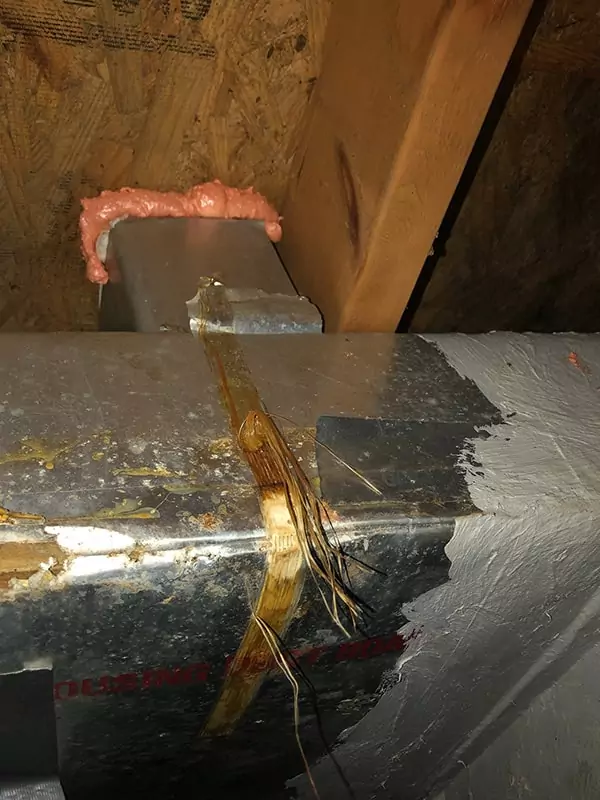
Some crawl space issues go beyond routine maintenance. If you discover persistent standing water, visible mold growth, soft or deteriorating wood framing, or saturated, falling-away insulation from the subfloor, it’s time to bring in a professional.
Upgrades such as crawl space encapsulation, perimeter insulation, and spray foam installation require proper materials, moisture strategy, and code knowledge. Spray foam insulation installation, in particular, is best handled by experienced contractors to ensure proper coverage and code compliance. Poor installation can trap moisture or create uneven thermal barriers.
The U.S. Department of Energy’s weatherization guidance stresses that conditioned crawl spaces must be insulated and air-sealed to maximize thermal performance while preventing condensation. That balance is technical. It depends on the climate zone, existing construction, and proper vapor control. Delaware follows the 2018 IECC for Climate Zone 4, which establishes minimum R-value and air-sealing requirements. A qualified contractor understands these standards and ensures your crawl space improvements meet code while protecting long-term durability.
Protect Your Delaware Home This Spring
Spring is the ideal time to address crawl space issues before summer heat and humidity amplify existing problems.
A properly insulated, air-sealed, and moisture-controlled crawl space supports your home’s structural integrity, improves indoor air quality, enhances energy efficiency, and reduces the risk of mold and pest infestations.
Small issues below your home rarely stay small for long.
Contact Delmarva Insulation today to schedule a free crawl space evaluation and estimate. Our experienced insulation contractors have been serving Delaware homeowners since 2002, delivering reliable solutions built for our region’s climate and conditions.
References:
Building Science Corporation. (n.d.). Crawlspace insulation for all climates [Information Sheet 512]. ENERGY STAR. https://www.energystar.gov/sites/default/files/asset/document/BSC%20Information%20Sheet%20512%20Crawlspace%20Insulation%20for%20all%20Climates.pdf
Delaware Department of Natural Resources and Environmental Control. (n.d.). Building energy codes. Division of Climate, Coastal and Energy. https://dnrec.delaware.gov/climate-coastal-energy/efficiency/building-energy-codes/
ENERGY STAR. (n.d.). Basement & crawlspace air sealing and insulating project. U.S. Environmental Protection Agency. https://www.energystar.gov/saveathome/seal_insulate/basement_crawlspace
Michigan State University Extension. (n.d.). Improving home insulation for savings and comfort: Part 4. MSU College of Agriculture and Natural Resources. https://www.canr.msu.edu/news/improving_home_insulation_for_savings_and_comfort_part_4
Pacific Northwest National Laboratory. (n.d.). Unvented, insulated crawlspaces. Building America Solution Center. https://basc.pnnl.gov/resource-guides/unvented-insulated-crawlspaces
U.S. Department of Energy. (n.d.). Moisture control. Energy Saver. https://www.energy.gov/energysaver/moisture-control
U.S. Department of Energy. (n.d.). Unvented crawlspace code adoption: Building America top innovation. Office of Energy Efficiency and Renewable Energy. https://www.energy.gov/eere/buildings/articles/unvented-crawlspace-code-adoption-building-america-top-innovation
U.S. Department of Energy. (2024, June). Insulate conditioned crawl space wall [Weatherization Installer Job Aid 12-4]. https://www.energy.gov/sites/default/files/2024-07/12-4_insulate-conditioned-crawl-space-wall.pdf
University of Missouri Extension. (n.d.). Insulating and weatherizing your home. https://extension.missouri.edu/publications/gh4881